Welcome to the UNC Charlotte Urban Institute
We are a nonpartisan, applied research and community outreach institute at UNC Charlotte, seeking solutions to the social, economic and environmental challenges facing our communities.
Latest Articles & Publications

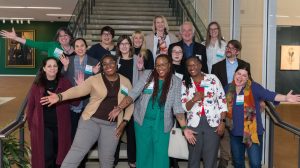
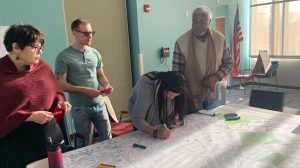





Our Work
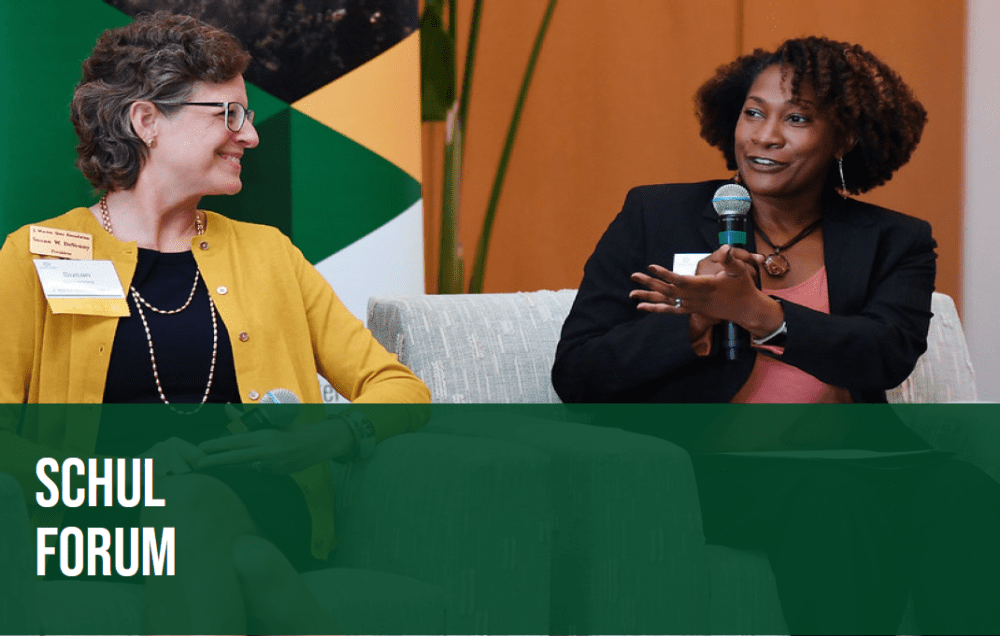
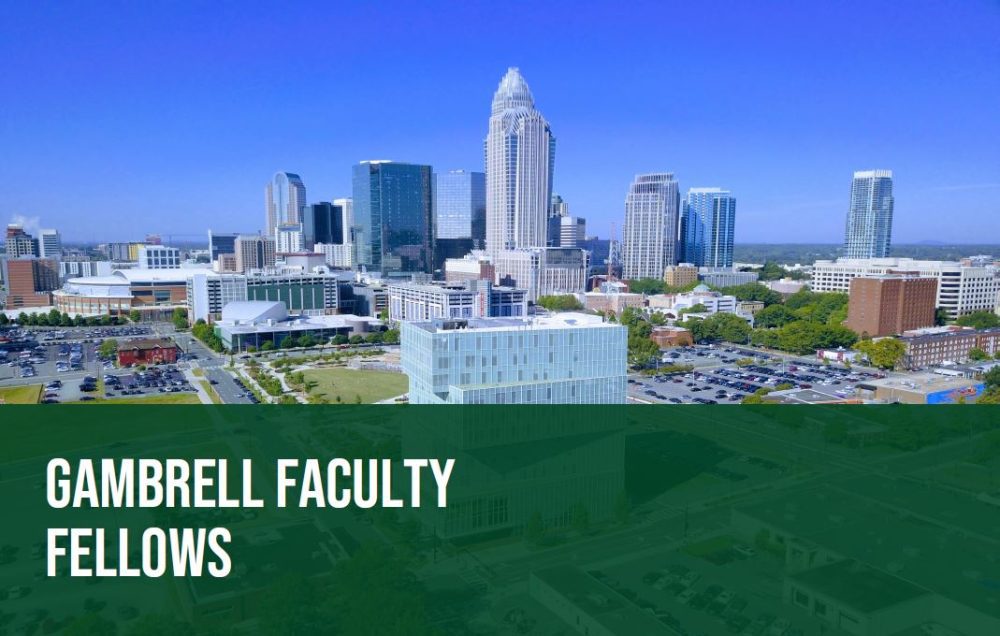

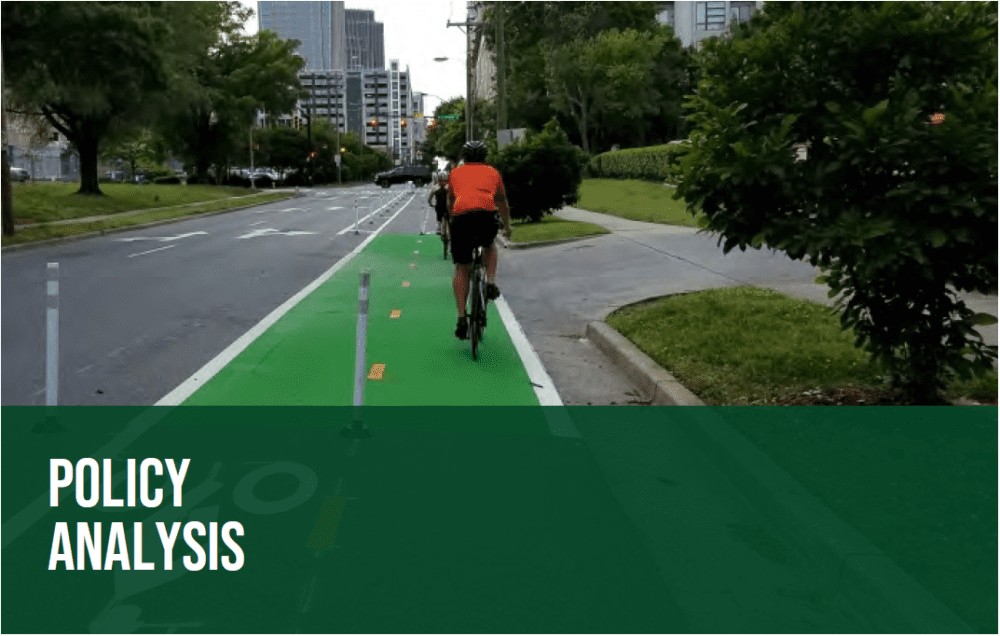
Programs
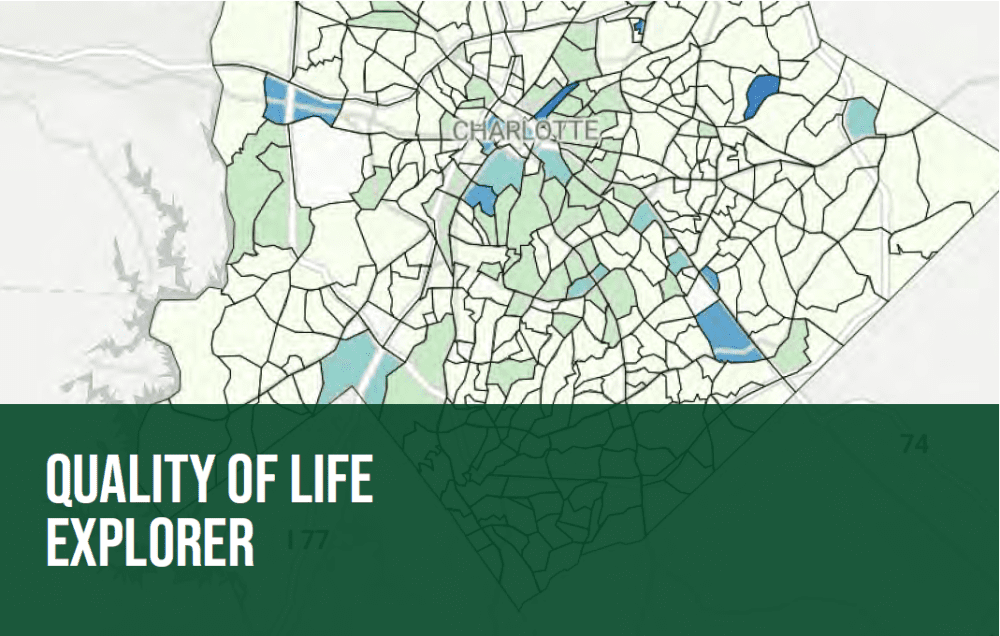
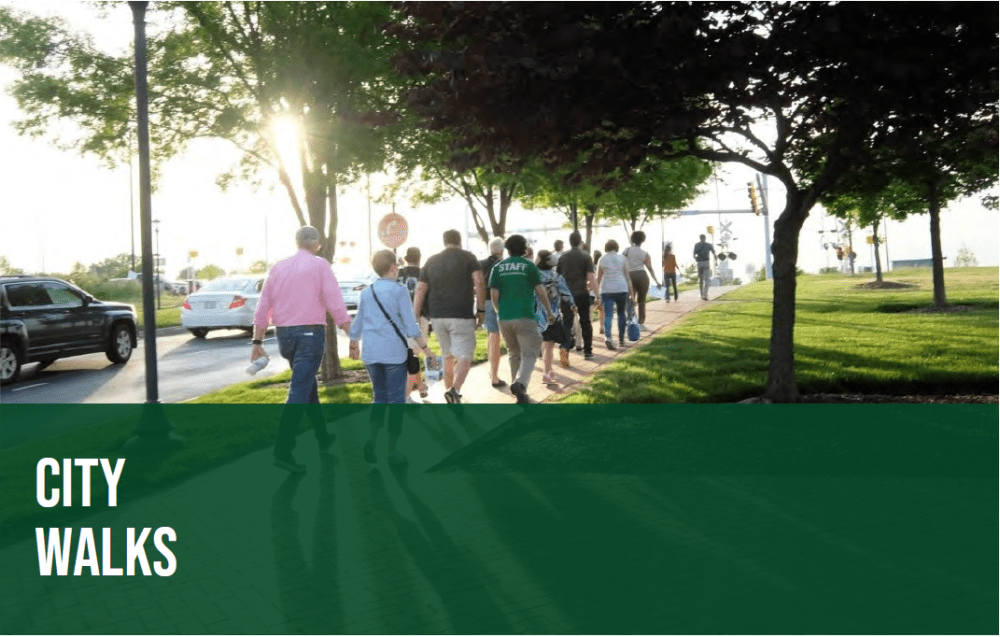
From mapping key community indicators to hosting walks that help local residents explore pressing social issues, our programs focus on building regional understanding and connections.
Data
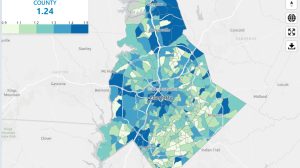



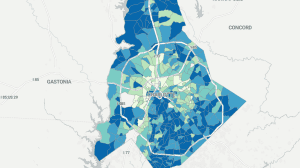
Regional Data and Interactive Maps
The Urban Institute uses qualitative and quantitative data, as well as interactive maps and graphics, to better understand our region and examine possible solutions to the challenges we face.
ISSUES


Issues
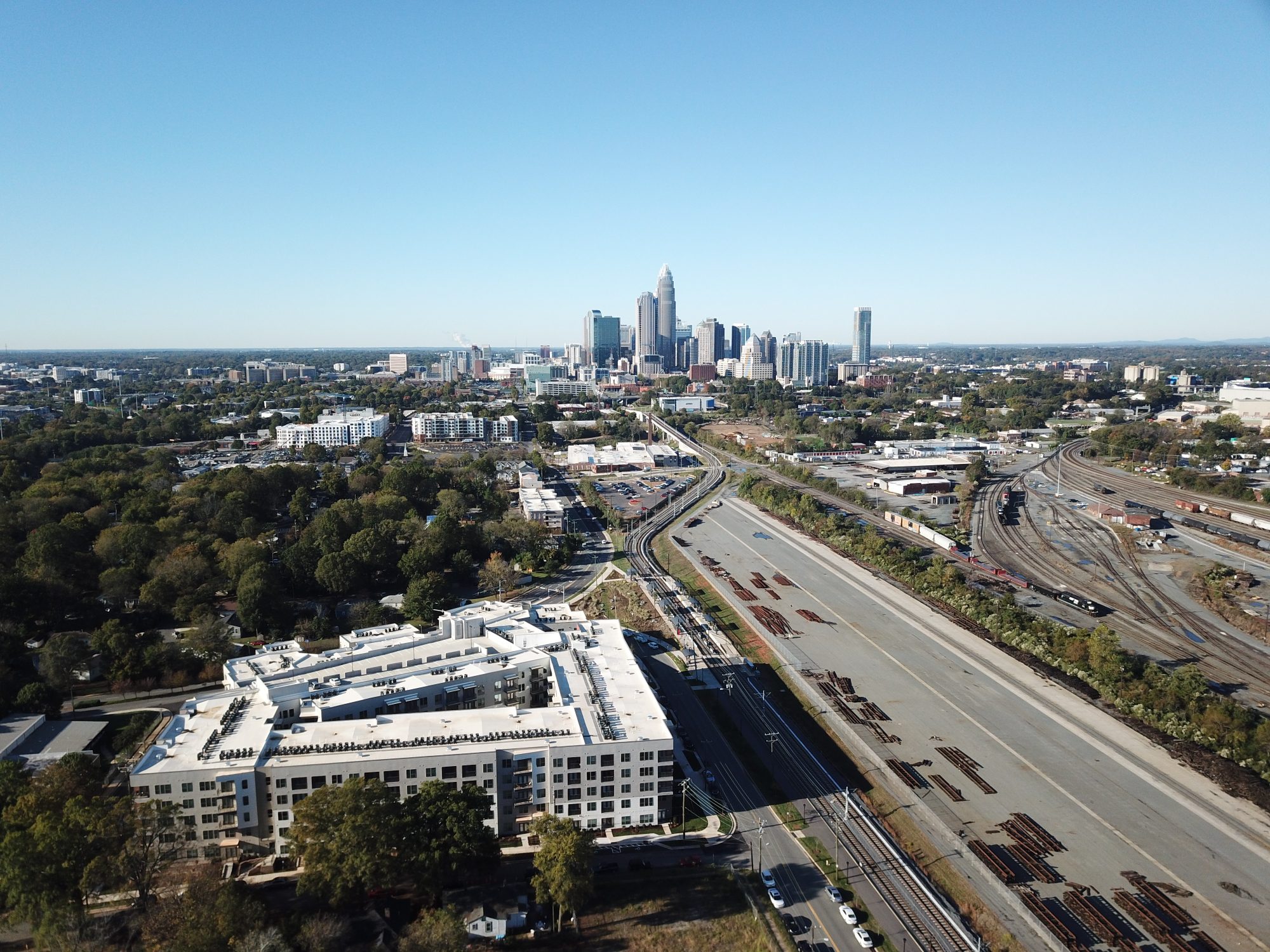
The Charlotte region is one of the fastest-growing and most dynamic areas in the nation, with rural counties, bedroom communities and suburbs, as well as the largest city in North Carolina and rapidly changing areas in upstate South Carolina. The UNC Charlotte Urban Institute focuses on issues of growth, change and equity in this complex region.
URBANCORE
The Urban Institute is a part of the urbanCORE (formerly known as Metropolitan Studies and the Office of Urban Research & Community Engagement), which is a unit of Academic Affairs.
Our mission is to provide community-based research services to local, regional, and state-level clients. Key off-campus partners include local governments, non-profit organizations, and community groups.